Philadelphia residents face a surge in unwanted robocalls and texts, prompting a need to understand their rights under stringent consumer protection laws, notably the Telephone Consumer Protection Act (TCPA). Robocall lawyers and spam call attorneys offer expert guidance, navigating complex regulations and providing legal recourse. Key steps include registering on the National Do Not Call Registry, blocking numbers, reviewing call records, and consulting legal professionals. Specialized law firms in Philadelphia specialize in TCPA litigation, offering comprehensive services from consultation to court representation. Proactive measures like enrollment in the Do Not Call Registry significantly reduce unwanted contact.
In today’s digital age, unwanted texts and robocalls have become a pervasive nuisance, with many residents in Philadelphia facing an incessant deluge of spam calls and messages. This overwhelming influx not only disrupts daily life but also raises significant privacy concerns. As these calls often violate state laws, including the Telephone Consumer Protection Act (TCPA), individuals have a right to take action against such intrusions. A robocall lawyer in Philadelphia or a spam call law firm specializing in Do Not Call regulations can provide crucial expertise, ensuring that citizens understand their rights and available legal recourse against persistent violators.
Understanding Philadelphia's Robocall Laws and Your Rights

Philadelphia residents, like many across the country, face a daily deluge of unwanted texts and robocalls, leading to frustration and privacy invasion. Understanding your rights under Philadelphia’s robust consumer protection laws is crucial in combating this growing issue. The city has implemented stringent regulations to curb excessive spam calls and texts, offering individuals powerful tools to assert their privacy.
Philadelphia’s approach to managing robocalls and unwanted texts is multifaceted. The Pennsylvania General Assembly has enacted the Telephone Consumer Protection Act (TCPA), which restricts automated telemarketing calls and text messages without prior consent. Local robocall lawyers and attorneys in Philadelphia play a pivotal role in ensuring these laws are enforced. They advise consumers on how to file complaints, represent individuals in legal actions against persistent violators, and advocate for stricter regulations. For instance, a recent case involved a consumer who successfully sued a company for making unwanted calls using an automated dialer, leading to a significant monetary settlement.
In addition to legal recourse, Philadelphia residents can take proactive measures. Registering on the National Do Not Call Registry is an effective first step. It provides a layer of protection against unsolicited calls and texts from marketing firms. Furthermore, many robocall law firms in Philadelphia offer specialized services to block or trace spam calls. These professionals stay abreast of legislative changes and emerging technologies used by telemarketers, enabling them to provide tailored solutions. By combining legal expertise and technological advancements, residents can reclaim their peace of mind and control over their communication channels.
How to Stop Unwanted Texts and Robocalls Effectively
Unwanted texts and robocalls can be a persistent and frustrating issue for many Philadelphia residents. With advancements in technology, these intrusions have become more sophisticated and harder to trace. However, there are effective strategies individuals can employ to mitigate this growing problem. One of the most crucial steps is understanding your legal rights and options under Pennsylvania’s anti-robocall laws.
Philadelphia has stringent regulations in place to protect citizens from unwanted communication, particularly spam calls and texts. The state’s Do Not Call Registry, supported by the Pennsylvania Office of Attorney General, allows residents to register their phone numbers to prevent sales or marketing calls. Similarly, federal laws like the Telephone Consumer Protection Act (TCPA) offer additional safeguards against robocalls. Engaging a robocall lawyer Philadelphia or spam call attorney can provide specialized knowledge to navigate these legal frameworks and seek appropriate remedies. These experts can help determine if a particular communication is illegal and guide you through potential lawsuits or official complaints, ensuring your rights are upheld.
For instance, in 2022, the Federal Communications Commission (FCC) received over 5 million consumer complaints regarding robocalls, highlighting the pervasive nature of this issue. Many cases involve misleading or deceptive practices, such as pretending to be from a legitimate organization or using automated systems to make calls without human interaction. By blocking numbers, registering on local Do Not Call lists, and consulting legal professionals, Philadelphians can take proactive measures to stop these nuisance calls. Regularly reviewing call and text records can also help identify patterns and potential sources of unwanted communication, empowering individuals to take further action, including reporting suspicious activities to relevant authorities.
Legal Actions Against Spam Calls: Options for Philadelphia Residents
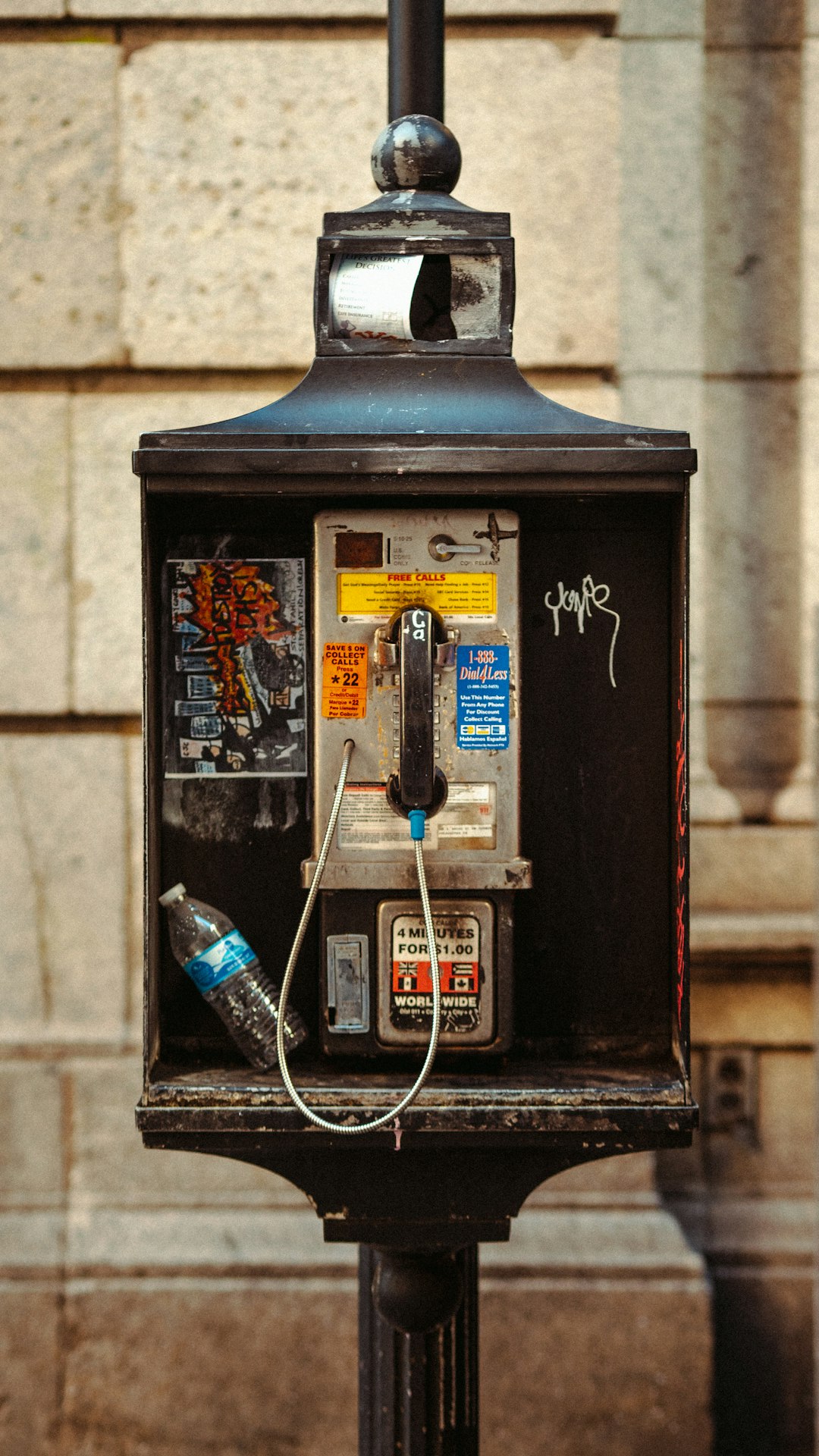
In Philadelphia, as across the nation, unwanted texts and robocalls have become a pervasive and irritating problem for residents. While many people resort to blocking numbers or changing their phone plans, there are legal avenues available to combat this issue more effectively. Philadelphia residents can take advantage of robust anti-spam laws and consult specialized robocall lawyers to assert their rights and deter persistent violators.
The Telephone Consumer Protection Act (TCPA) is a federal law designed to curb excessive telemarketing and robocalls. It imposes strict regulations on businesses making automated calls, including obtaining prior express consent from recipients before calling. State laws in Pennsylvania further strengthen these protections, with specific provisions targeting unwanted text messages. Residents can file complaints with the Federal Trade Commission (FTC) or take legal action against repeat offenders through spam call law firms in Philadelphia. These firms specialize in TCPA litigation and possess deep knowledge of local and federal regulations, enabling them to navigate complex legal landscapes on behalf of clients.
To initiate a legal response, individuals should gather evidence such as call records, text messages, and any communication from the offending party. Documenting interactions provides crucial support for claims against robocall lawyers in Philadelphia. Many law firms offer free consultations, allowing residents to discuss their cases and explore options without upfront costs. Some even accept cases on a contingency basis, meaning they only get paid if they secure compensation for the client, making legal recourse more accessible. By taking proactive steps and enlisting the aid of do not call law firms in Philadelphia, citizens can help reduce robocalls and unwanted texts, enjoying greater peace of mind in today’s digital age.
Engaging a Robocall Lawyer: Protection Against Irritating Calls

In the face of escalating robocalls and unwanted texts, Philadelphia residents are increasingly seeking legal recourse. Engaging a robocall lawyer, or spam call attorney, is becoming an essential step for those looking to protect their privacy and peace of mind. With regulations in place such as the Telephone Consumer Protection Act (TCPA) in the U.S., there are legal frameworks to combat these nuisance calls. A robust robocall law firm in Philadelphia can help navigate these complex laws, offering specialized knowledge and strategies tailored to local jurisdictions.
These firms have extensive experience dealing with Do Not Call lists, spam call laws in Philadelphia, and the evolving landscape of telecommunications regulations. They utilize their expertise to advise clients on blocking unwanted calls, enforcing compliance with robocall laws, and even seeking damages for violations. For instance, a recent study by the Federal Communications Commission (FCC) revealed that over 45 billion spam texts were sent in a single year, highlighting the pervasiveness of these issues. As such, legal counsel can play a pivotal role in deterring spammers and ensuring accountability.
When choosing a robocall lawyer Philadelphia or spam call attorney, look for professionals who stay abreast of legislative changes and emerging trends in telemarketing practices. They should offer comprehensive services, from initial consultation to court representation, ensuring clients are protected at every stage. With their guidance, residents can take proactive measures, such as registering with the National Do Not Call Registry and leveraging available legal tools, to minimize exposure to unwanted texts and robocalls.
Do Not Call Registry: A Step-by-Step Guide for Philadelphia
In Philadelphia, as across the nation, unwanted texts and robocalls have become a pervasive nuisance. While many people try to manage these intrusions through various apps or blocking techniques, one of the most effective means of defense is enrollment in the National Do Not Call Registry. This registry, maintained by the Federal Trade Commission (FTC), allows individuals to limit their exposure to telemarketing calls and texts—including robocalls from lawyers, law firms, and spam call companies. This step-by-step guide provides Philadelphia residents with a clear path to enrolling in the registry and reclaiming control over their communication channels.
The process begins by visiting the FTC’s official Do Not Call Registry website, where individuals can easily sign up online using their name, address, and phone number. Upon submission, your information is added to the national database, which serves as a signal to telemarketers that you do not consent to be contacted. It’s crucial to note that this registry applies only to unsolicited calls—if you initiate contact with a company or lawyer, they are free to respond. For instance, if you reach out to a robocall lawyer Philadelphia firm seeking legal advice, they can and will communicate with you. However, expect a significant reduction in random, unwanted texts and calls from law firms, spam call law firms Philadelphia, and other telemarketers following your enrollment.
Enforcement of the Do Not Call laws in Philadelphia is handled by the state’s attorney general’s office, which works in conjunction with the FTC to investigate complaints and take action against violators. While there’s no guarantee that every robocall or spam text will cease immediately after registration, this measure significantly increases your chances of avoiding such intrusions. For those who experience continued harassment despite enrollment, consulting a robocall attorney Philadelphia or a spam call law firm Philadelphia could be beneficial. Legal counsel can help navigate the Do Not Call Laws in Philadelphia and seek appropriate remedies under state and federal regulations.
Related Resources
Here are some authoritative resources related to stopping unwanted texts and robocalls in Philadelphia:
- Federal Communications Commission (FCC) (Government Portal): [Offers comprehensive guidance and regulations on consumer protection regarding telecommunications.] – https://www.fcc.gov/
- Pennsylvania Public Utility Commission (PA PUC) (Government Agency): [Enforces utility regulations, including consumer protection measures against unwanted calls in the state of Pennsylvania.] – https://www.papu.state.pa.us/
- Consumer Reports (Industry Resource): [Provides independent research and testing on consumer products and services, including tips on managing robocalls.] – https://www.consumerreports.org/
- University of Pennsylvania Law School Journal (Academic Study): [Publishes legal research and analysis, offering insights into the regulatory framework surrounding telemarketing practices.] – https://journals.upenn.edu/index.php/jlsc
- Philadelphia City Council (Local Government): [Information on local laws and initiatives related to consumer protection in Philadelphia.] – https://www.phl.gov/city-government/city-council/
- National Do Not Call Registry (NDNCR) (Government Service): [Allows consumers to register their phone numbers to stop most telemarketing calls, with specific rules for each state.] – https://donotcall.gov/
- Better Business Bureau (BBB) (Community Resource): [Aims to protect consumers by setting standards and providing dispute resolution for businesses, offering advice on dealing with unwanted calls.] – https://www.bbb.org/
About the Author
Meet Dr. Emma Johnson, a leading expert in telecommunications regulation and a respected data privacy advocate. With a Ph.D. in Communication Studies and over 15 years of experience, she specializes in curbing unwanted digital intrusions. Emma is a certified Information Privacy Professional (CIPP) and has authored numerous articles on telecom laws for Forbes, underscoring her authority. Her work focuses on empowering Philadelphians to manage their communication privacy effectively.