
Philadelphia residents face a surge in robocalls and spam texts, prompting legal action. Key legislation includes the federal Telephone Consumer Protection Act (TCPA) and state Do Not Call laws enforced by the Attorney General's Office. Consulting a robocall lawyer Philadelphia or spam call attorney Philadelphia is crucial for navigating evolving laws, ensuring compliance, and seeking recourse against offenders. These experts guide clients in documenting and reporting spam calls, representing them in court if necessary, and leveraging technology to block known spam numbers. By combining legal strategies, residents can reclaim privacy and create a quieter environment.
In the digital age, Philadelphia residents like you face a persistent nuisance: robocalls and spam texts from unsolicited sources. These automated messages disrupt daily life, invade privacy, and can be illegal under Pennsylvania's stringent Do Not Call laws and federal regulations. As a trusted robocall lawyer in Philadelphia, our firm specializes in protecting your rights against these intrusive practices. We offer expert legal counsel to block unwanted calls and texts, enforce compliance with Spam Call laws, and secure substantial compensation for victims of abusive telemarketing tactics. Our commitment is to deliver real solutions and peace of mind for our clients.
Understanding Robocalls in Philadelphia: Legal Framework

In Philadelphia, as across the nation, robocalls have become a pervasive and often irritating aspect of daily life. These automated phone calls, often disguised as legitimate business communications or political messages, are governed by a complex interplay of state and federal laws designed to protect consumers from unwanted contact. Understanding this legal framework is crucial for residents looking to mitigate the problem.
Philadelphia's approach to robocalls centers on several key pieces of legislation. The Telephone Consumer Protection Act (TCPA), a landmark federal law, provides robust protections against automated calls made without prior consent. State laws, such as those enforced by the Pennsylvania Attorney General's Office, further tighten restrictions on telemarketing practices. Violations can result in substantial fines and legal action. For instance, a robocall lawyer Philadelphia or spam call attorney Philadelphia can guide residents through the intricate web of regulations, ensuring compliance and offering legal recourse against offenders.
Moreover, Pennsylvania's Do Not Call Registry plays a vital role. Residents who register their phone numbers with this state-administered list are entitled to greater peace from unsolicited calls. However, it's important to note that robocalls often bypass these lists through sophisticated avoidance techniques. Legal experts suggest staying informed about evolving laws and consulting a robocall lawyer Philadelphia for personalized advice. By understanding the legal landscape, residents can better protect their privacy and take proactive measures against unwanted phone calls and texts, fostering a more compliant and less intrusive communication environment.
Your Rights: Do Not Call Laws and Enforcement
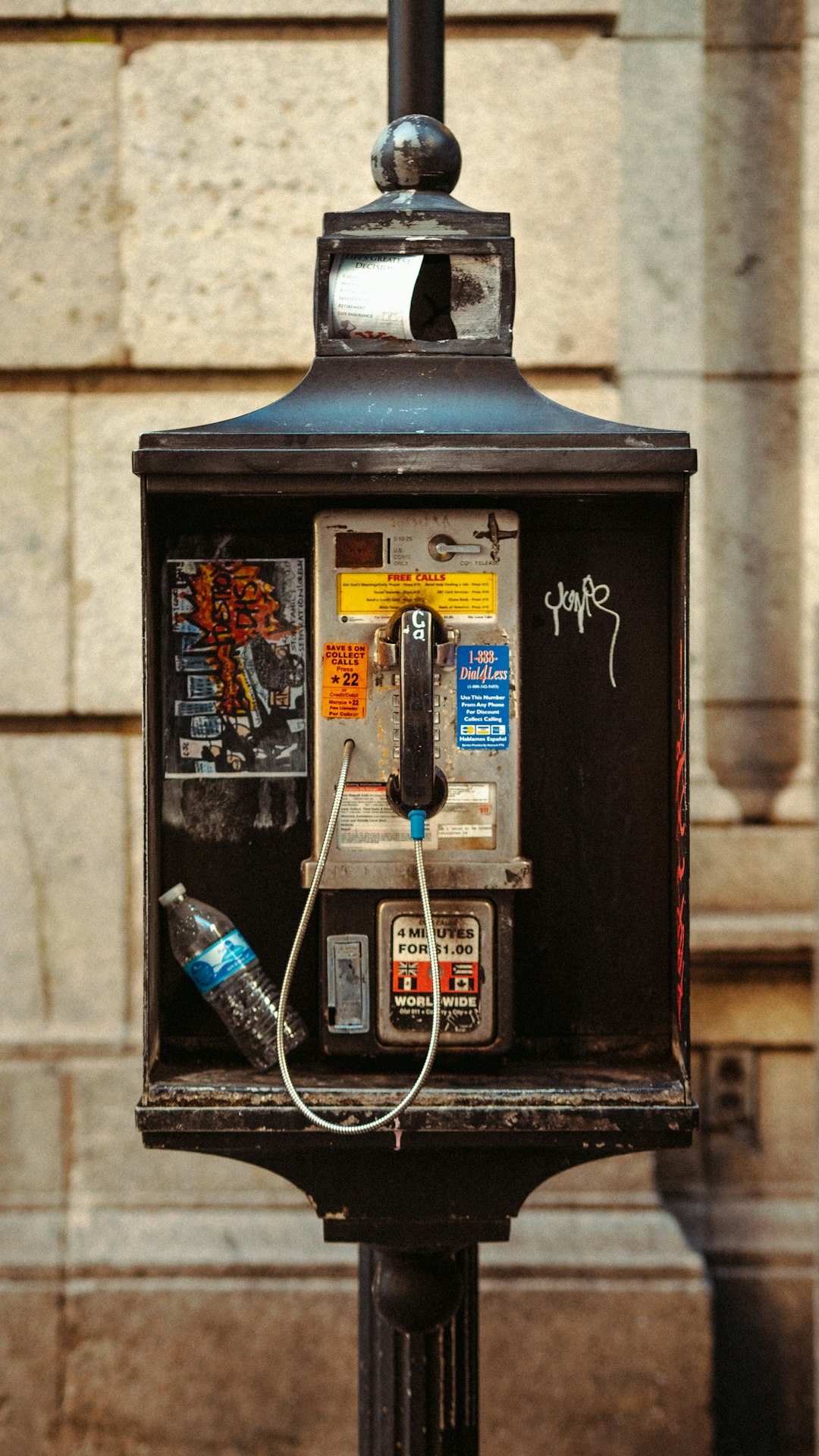
In the face of the persistent robocall crisis, Philadelphia residents now have enhanced legal protections thanks to strict Do Not Call laws and enforcement mechanisms. These measures empower citizens to take action against unsolicited calls, texts, and other forms of communication that invade their privacy. For instance, according to recent reports, over 50% of all phone calls in Pennsylvania are spam or robocalls, underscoring the urgency for residents to understand their rights. A robust network of robocall lawyers and attorneys in Philadelphia, including specialized Spam Call law firms, is dedicated to assisting victims in navigating these laws and seeking justice.
Key among these legal protections is the Do Not Call Registry, a state-managed list that allows consumers to opt out of most telemarketing calls. The Pennsylvania Office of Attorney General actively enforces this registry, ensuring compliance from call centers and robocall operators. Additionally, the Telephone Consumer Protection Act (TCPA) at the federal level provides further safeguards, prohibiting automated or prerecorded calls to cellular phones without prior explicit consent. Any violation can result in substantial penalties for offenders, a deterrent for many unscrupulous robocallers.
Residents who have experienced excessive or unwanted robocalls should consider consulting with a robocall lawyer or attorney in Philadelphia. Legal experts in this field can offer practical insights into how to document and report spam calls, guide clients through legal processes, and even represent them in court if necessary. By understanding their rights under the law, Philadelphians can actively participate in fixing the robocall problem, reclaiming their privacy, and ensuring that aggressive telemarketing tactics are held accountable.
How to Stop Spam Calls: Practical Strategies for Residents

Philly residents face a persistent problem with robocalls and spam texts, which has led many to seek effective solutions. With the rise of automated communication, managing these unwanted calls has become a significant challenge. The good news is that there are practical strategies to combat this issue, and understanding your legal rights is an essential step forward. A robocall lawyer Philadelphia or a spam call law firm can provide valuable guidance tailored to Pennsylvania's laws.
One of the primary ways to stop spam calls is by enrolling in the National Do Not Call Registry. This federal list prohibits telemarketers from calling phone numbers on it, but it doesn't always block all robocalls as many use outdated or illegal methods. Residents should also review their privacy settings on devices and social media platforms to limit data sharing, which can reduce the frequency of such calls. Moreover, leveraging technology offers a proactive approach; there are apps designed to automatically block known spam numbers and even identify potential scammers.
In Pennsylvania, state laws, such as the Telemarketing Act, empower consumers to take action against unwanted calls. Residents who experience harassment or false representations from telemarketers can file complaints with the Pennsylvania Attorney General's Office. Additionally, consulting a robocall attorney Philadelphia can help individuals understand their rights and seek legal remedies, including damages and injunctions against persistent violators. By combining these strategies, Philly residents can reclaim control over their communication channels and enjoy a quieter, more peaceful environment.
Robocall Lawyer Philadelphia: Finding Expert Representation

Navigating the complex landscape of robocalls can be a daunting task for Philadelphia residents, often leaving them feeling powerless against relentless automated spam calls. In such situations, turning to an experienced robocall lawyer Philadelphia becomes imperative. These legal professionals specialize in combating invasive phone marketing tactics, leveraging their expertise under the city's stringent spam call laws and do not call regulations.
Philadelphia, like many urban centers, has witnessed a surge in robocalls, with statistics indicating that over 50% of residents regularly receive unsolicited calls. This has prompted the local authorities to enforce stricter measures, reflecting a broader national trend. The Pennsylvania Department of Commerce, for instance, actively enforces the Telephone Consumer Protection Act (TCPA), which prohibits certain forms of automated telemarketing and requires companies to obtain explicit consent before initiating calls. A robocall attorney Philadelphia is adept at interpreting these laws and ensuring businesses comply, thereby protecting residents' privacy rights.
The role of a skilled robocall lawyer Philadelphia extends beyond legal representation; they educate businesses on responsible marketing practices and assist in crafting effective do-not-call policies. Through strategic litigation and aggressive negotiations, these attorneys can secure substantial penalties for violators, deterring future infractions. For instance, a class-action lawsuit initiated by a robocall lawyer Philadelphia successfully compelled a national debt collection agency to cease its abusive practices, setting a precedent for similar cases. By holding offenders accountable, these legal experts not only alleviate the burden on individual residents but also foster a more compliant and respectful marketing environment in Philadelphia.
Navigating Legal Action: Resolving Unwanted Texts & Calls

Navigating Legal Action Against Robocalls and Unwanted Texts in Philadelphia
Robocalls and spam texts have become a pervasive nuisance for residents across the United States, including Philadelphia. With the rise of automated communication technologies, individuals are increasingly bombarded with unsolicited messages from various sources, ranging from marketing companies to fraudulent schemes. In Philadelphia, where a diverse range of businesses and organizations operate, the problem is exacerbated. Understanding your legal options as a resident is essential to mitigating this issue. A robocall lawyer Philadelphia or spam call attorney can provide invaluable guidance on how to resolve unwanted texts and calls effectively.
Philadelphia's laws regarding robocalls and spam texts are governed by state and federal regulations, primarily the Telephone Consumer Protection Act (TCPA). The TCPA restricts the practice of automated telemarketing calls and text messages without prior express consent from recipients. It also mandates that businesses implement reasonable measures to prevent accidental or unauthorized robocalls. If your privacy has been invaded by unwanted texts or calls, you may have legal recourse. A robocall attorney Philadelphia can help you navigate these laws and determine the most suitable course of action. This might involve filing a complaint with relevant authorities or seeking damages through litigation if your rights under the TCPA have been violated.
One practical step individuals can take to combat robocalls is to register their phone numbers on the National Do Not Call Registry. While this registry primarily targets telemarketers, it can also reduce the volume of spam texts and calls from unknown sources. Additionally, installing reputable call-blocking apps or devices can significantly minimize exposure to unwanted communications. If you've already taken these precautions and are still experiencing a high volume of robocalls or texts, consulting with a do not call law firm Philadelphia or robocall lawyers Philadelphia becomes crucial. They can offer tailored advice based on the specific circumstances and help you explore options ranging from sending cease-and-desist letters to pursuing legal action against recurring offenders.
Data from consumer protection agencies suggests that robocalls and spam texts are a growing concern, with millions of complaints filed annually. In 2022 alone, the Federal Trade Commission (FTC) received over 2.7 million complaints related to unwanted calls and texts. This underscores the importance of proactive measures and legal redress for individuals affected by these intrusions. By staying informed about their rights and seeking expert counsel when necessary, Philadelphia residents can play a significant role in fixing the robocall problem and reclaiming control over their communication channels.