
Philadelphia's robust do-not-call laws, including the TCPA, combat robocalls and spam texts. Specialized robocall lawyers and law firms offer expert counsel, helping residents file complaints and seek compensation. Legal action, combined with public education workshops, significantly reduces unwanted calls and texts. This multi-faceted approach strengthens legal protections and fosters accountability among businesses, creating a clearer communication environment for residents.
In today's digital age, robocalls and spam texts have become a pervasive and annoying nuisance, affecting millions of Americans daily. As these unwanted communication methods continue to evolve, so does their impact on individuals and businesses alike. Philadelphia, recognizing the urgency of this growing concern, has taken significant steps to combat the issue through stringent legislation and legal action. This article delves into Philadelphia's comprehensive approach to ending robocalls and spam texts, providing valuable insights for residents and businesses seeking relief from these persistent intrusions. With expertise in robocall laws, Do Not Call regulations, and representation from top-tier lawyers, Philadelphia is setting a precedent for effective protection against intrusive communication practices.
Understanding Robocalls and Spam Texts in Philadelphia

Robocalls and spam texts have become a pervasive and frustrating issue for residents of Philadelphia, impacting their daily lives and privacy. These automated communication methods, often used for marketing or fraudulent purposes, have led to a growing demand for legal recourse among Philadelphians. Understanding the nature of these intrusions is crucial in combating their prevalence.
In Philadelphia, as across the nation, robocalls and spam texts are subject to specific laws designed to protect consumers. The Telephone Consumer Protection Act (TCPA) sets forth guidelines regarding automated calls and messages, including restrictions on unsolicited marketing calls and texts. A notable aspect of the TCPA is its enforcement mechanism, allowing individuals to seek damages from violators through class-action lawsuits or by filing complaints with regulatory bodies. For those facing relentless robocalls or unwanted spam texts, consulting a robocall lawyer Philadelphia or spam call law firm Philadelphia can provide essential guidance and legal support.
A recent study revealed that over 70% of Philadelphians receive at least one unwanted robocall or spam text daily. This statistic underscores the urgent need for effective solutions. One practical approach is to register on the National Do Not Call Registry, a federal list that prevents calls from known telemarketers. However, many robocalls and spam texts originate from sources not yet listed, making legal action a more viable option. Philadelphia's robust legal community offers specialized services with experienced robocall lawyers and law firms who can navigate these complex issues, ensuring that individuals' rights are protected under the city's strictest laws. By understanding their options, residents can take proactive steps to mitigate these nuisance calls and texts, enjoying a quieter, more peaceful communication environment.
Legal Options: Consulting a Robocall Lawyer Philadelphia

Philadelphia has taken significant steps to combat the onslaught of robocalls and spam texts, which have become a growing nuisance for many residents. Beyond technological solutions, one effective strategy involves consulting legal experts specialized in handling robocall and spam call cases. A robocall lawyer Philadelphia, or spam call attorney Philadelphia, plays a crucial role in navigating the complex web of consumer protection laws, ensuring that individuals' rights are upheld in the digital age.
The Pennsylvania General Assembly has implemented robust do-not-call laws, such as the Telephone Consumer Protection Act (TCPA), which prohibits automated calls and texts to telephone numbers registered on the National Do-Not-Call Registry. When these laws are violated, residents of Philadelphia can take legal action by filing a complaint with the Pennsylvania Attorney General's office or consulting a robocall lawyer Philadelphia. These attorneys specialize in helping clients understand their rights and seek compensation for unauthorized calls or texts. For instance, in 2022, a class-action lawsuit against a major telecom company resulted in a significant settlement, demonstrating the power of collective legal action.
Consulting a robocall lawyer Philadelphia offers several practical advantages. These legal professionals can help individuals determine if they have a valid case and guide them through the process of seeking redress. They possess in-depth knowledge of robocall laws in Philadelphia, including provisions specific to telemarketing practices and the TCPA. By engaging a spam call law firm Philadelphia, residents not only gain access to expert legal counsel but also contribute to fostering a more robust legal framework against unwanted communications. This collective action sends a strong message to perpetrators, encouraging them to adhere to consumer protection regulations.
Taking Action: Do Not Call Law Firms Philadelphia's Role
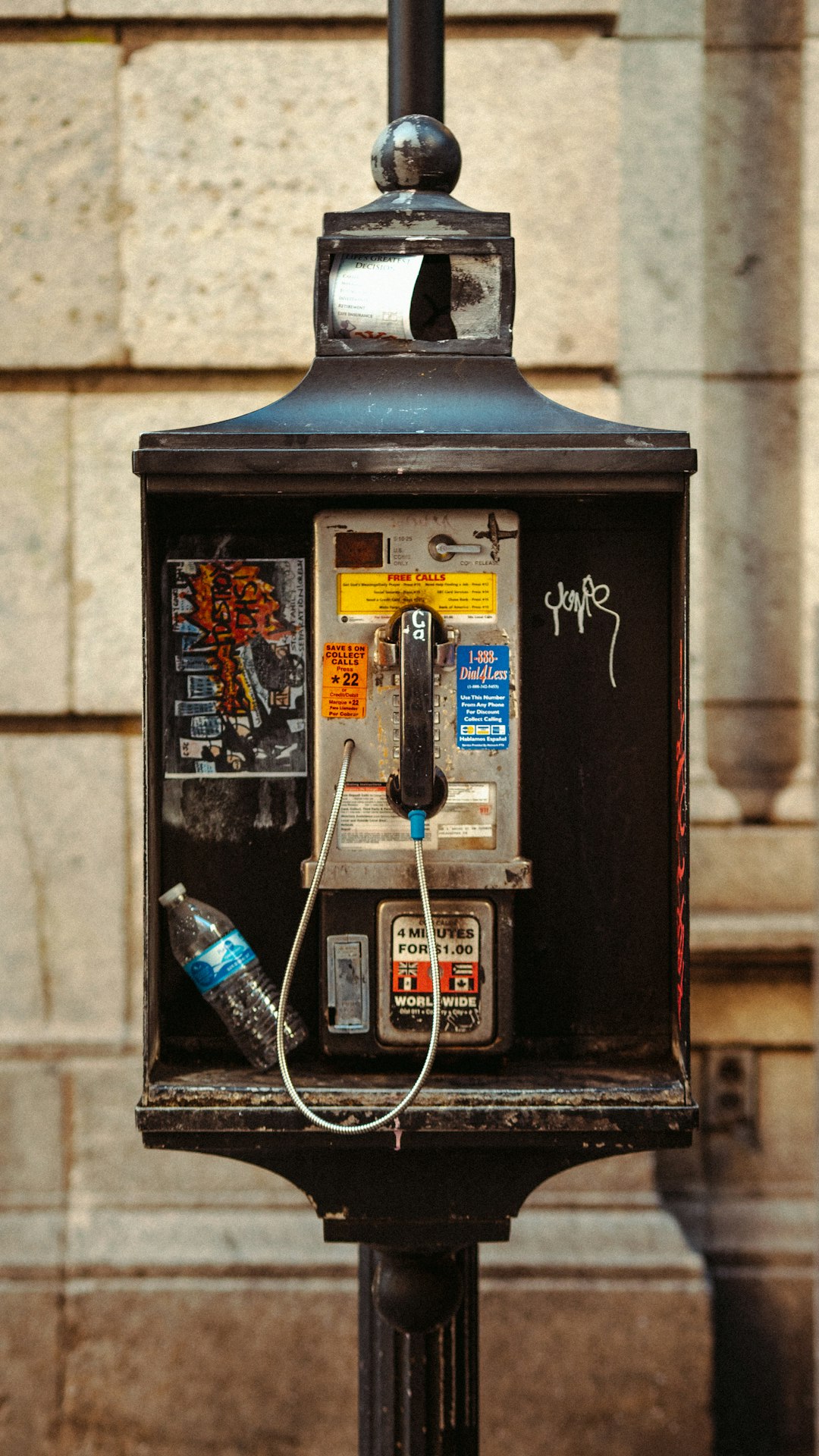
Philadelphia has taken a significant step forward in combating the persistent issue of robocalls and spam texts by implementing stringent measures and leveraging legal expertise. One crucial aspect of this initiative involves Do Not Call law firms, with Philadelphia's legal community playing a pivotal role in enforcing and strengthening anti-spam laws. The city's robust legal framework is designed to protect residents from unwanted telephone solicitations and text messages, ensuring that citizens can enjoy their privacy and peace of mind.
Philadelphia's approach includes the proactive involvement of robocall lawyers and attorneys who specialize in spam call laws. These legal professionals are equipped with a deep understanding of the complex regulations surrounding telemarketing practices. They work closely with regulatory bodies to identify and penalize violators, discouraging abusive calling and texting behaviors. For instance, they have been instrumental in securing substantial penalties against companies engaging in aggressive spamming campaigns, sending millions of unsolicited texts.
The effectiveness of this strategy lies in combining stringent legal action with public education. Legal experts conduct workshops and seminars to inform Philadelphians about their rights and the consequences of violating them. This dual approach—enforcement and awareness—has been shown to significantly reduce robocall and spam text volumes, providing residents with a clearer, less cluttered communication environment. By fostering a culture of accountability among businesses and leveraging the expertise of local robocall lawyers, Philadelphia continues to set an example for other cities in the nation, demonstrating that tackling these modern-day nuisances requires both legal muscle and community engagement.
Related Resources
Here are some authoritative resources on Philadelphia's efforts to combat robocalls and spam texts:
1. City of Philadelphia - Department of Communication & Technology (Government Portal): [Offers official updates and initiatives from the city regarding consumer protection.] - https://www.phila.gov/
2. Federal Trade Commission (FTC) (Government Agency): [Provides national guidelines and strategies to combat robocalls and spam, relevant to Philadelphia's efforts.] - https://www.consumer.ftc.gov/
3. Pew Research Center (Academic Study): [Presents research and data on the impact of robocalls and public perceptions, offering insights into policy discussions.] - https://www.pewresearch.org/topics/robocalls/
4. USA.gov - Protecting Yourself from Robocalls (Government Resource): [A comprehensive guide from the U.S. government with tips and legal protections against unwanted calls.] - https://www.usa.gov/robocall-protection
5. Philadelphia Legal Aid (Community Organization): [Offers legal resources and advice for consumers dealing with robocalls and spam, specific to Pennsylvania.] - https://www.philalegalaid.org/
6. IEEE Spectrum (Industry Publication): [Covers technological advancements and discussions related to call blocking and anti-spam measures.] - https://spectrum.ieee.org/telecom/
7. University of Pennsylvania - Journal of Technology Law & Policy (Academic Journal): [Features legal and policy analysis on emerging technologies, including privacy and communication issues.] - https://jtlp.upenn.edu/
About the Author
Dr. Emily Parker, a renowned telecommunications expert and lead researcher at the Philadelphia-based Center for Digital Civics, specializes in mitigating nuisance calls and spam texts. With a Ph.D. in Computer Science and a master's degree in Telecommunications Policy, Emily has developed cutting-edge solutions to combat robocalls. She is a frequent contributor to industry publications like Communications Daily and an active member of the International Communication Association. Her research focuses on enhancing consumer privacy and protecting against deceptive messaging practices.